May 13, 2026
Understanding the key considerations and steps involved in a construction project can make the selection process more effective and support project success. The excavation phase is critical as it lays the groundwork upon which the entire project stands, making the choice of contractor a pivotal decision. Given the specialized skills required for complex excavation works, choosing excavation contractors that meet both technical demands and project-specific needs is vital. Thoroughly assessing your options will establish a solid foundation for your project's overall success.
Understanding the Scope of Your Project
Defining Project Requirements
When planning a large-scale construction project, the first step in selecting excavation contractors is to clearly define the project requirements. This involves detailing the project's size, complexity, and specific tasks required, such as grading, trenching, or site preparation. Understanding these fundamental elements will guide you in identifying a contractor whose work aligns with your project's demands. Additionally, specifying requirements from the outset helps to avoid misunderstandings and keeps all stakeholders on the same page. A well-defined project layout serves as a blueprint for effective communication and successful execution.
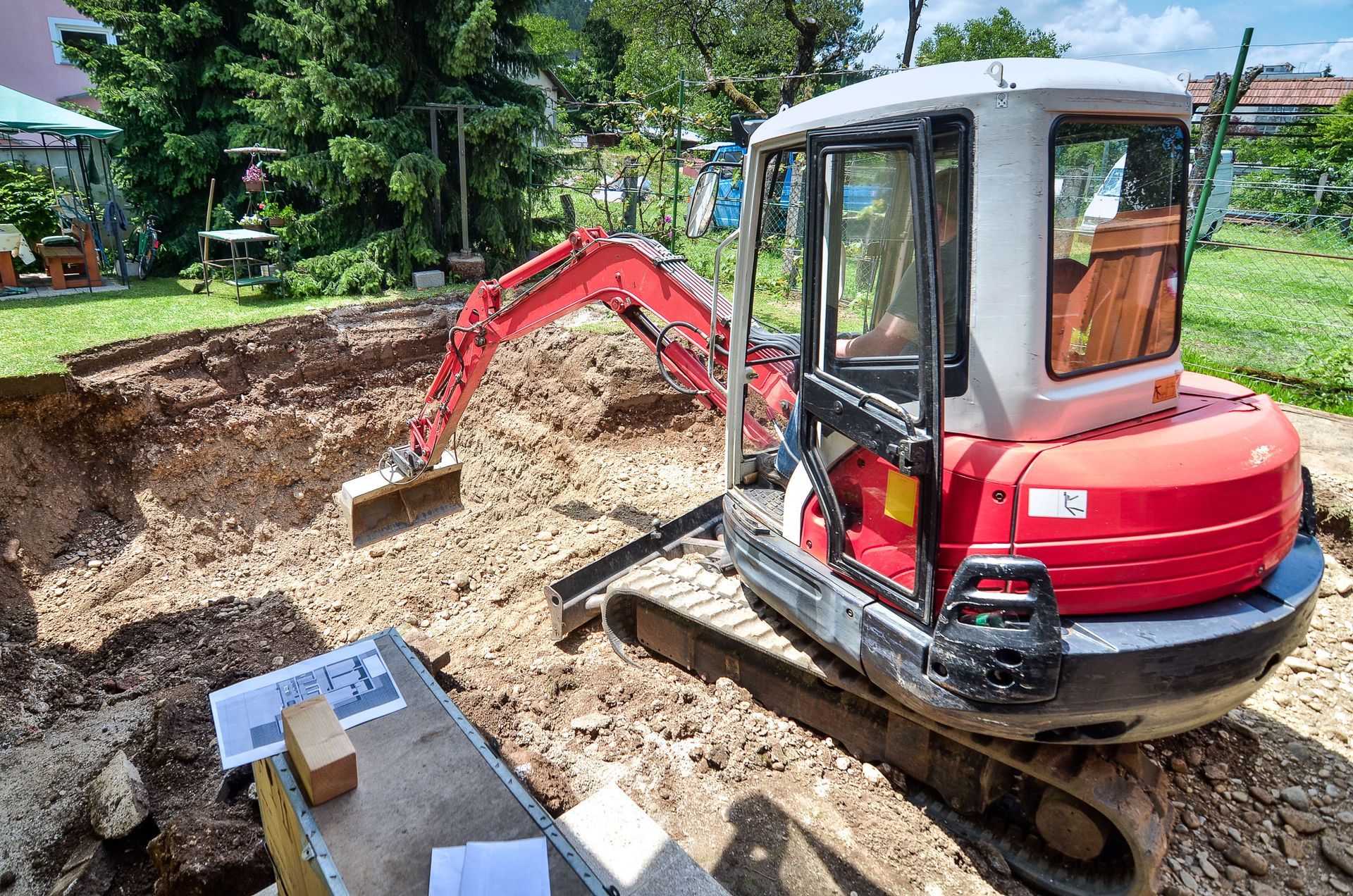
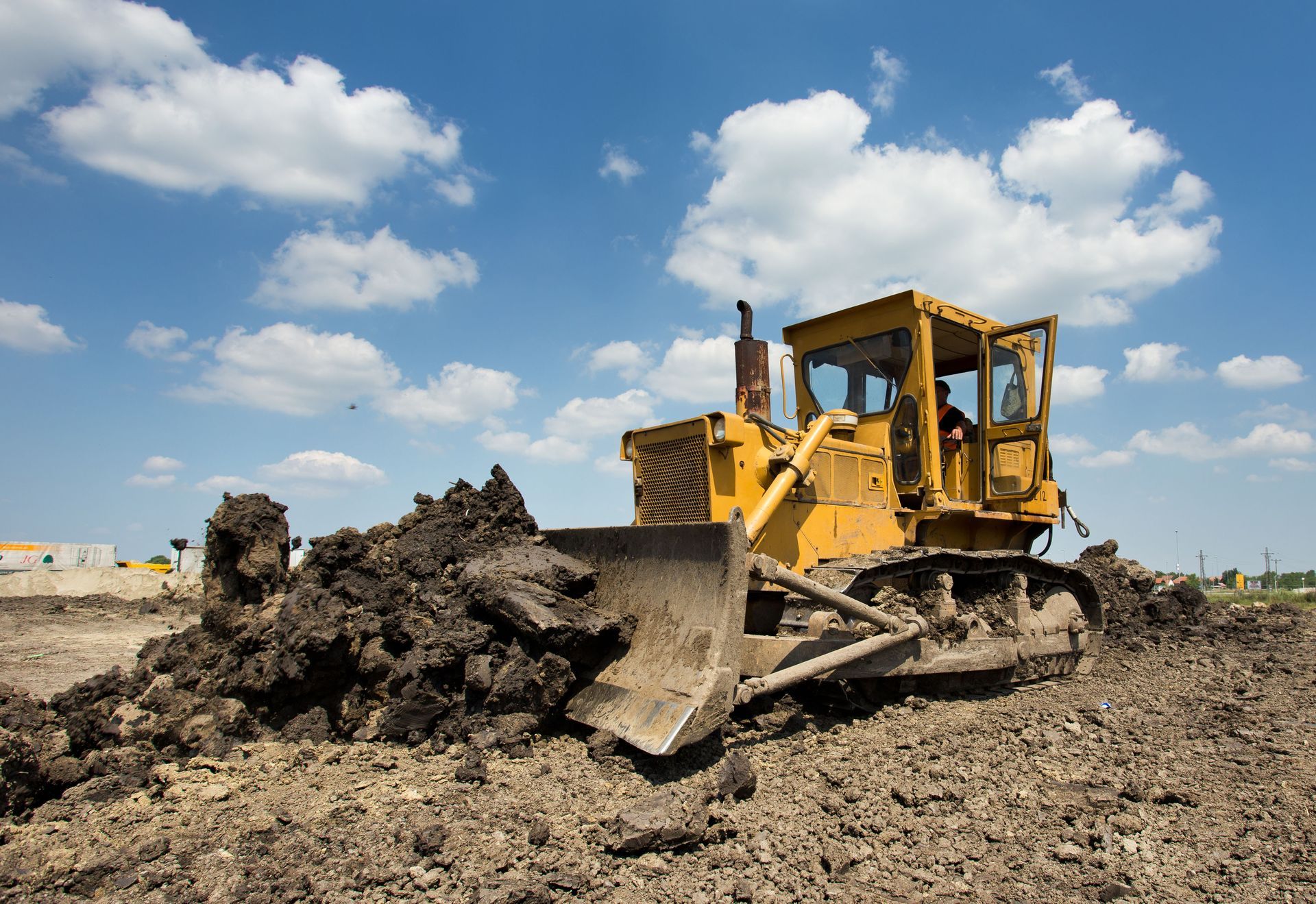
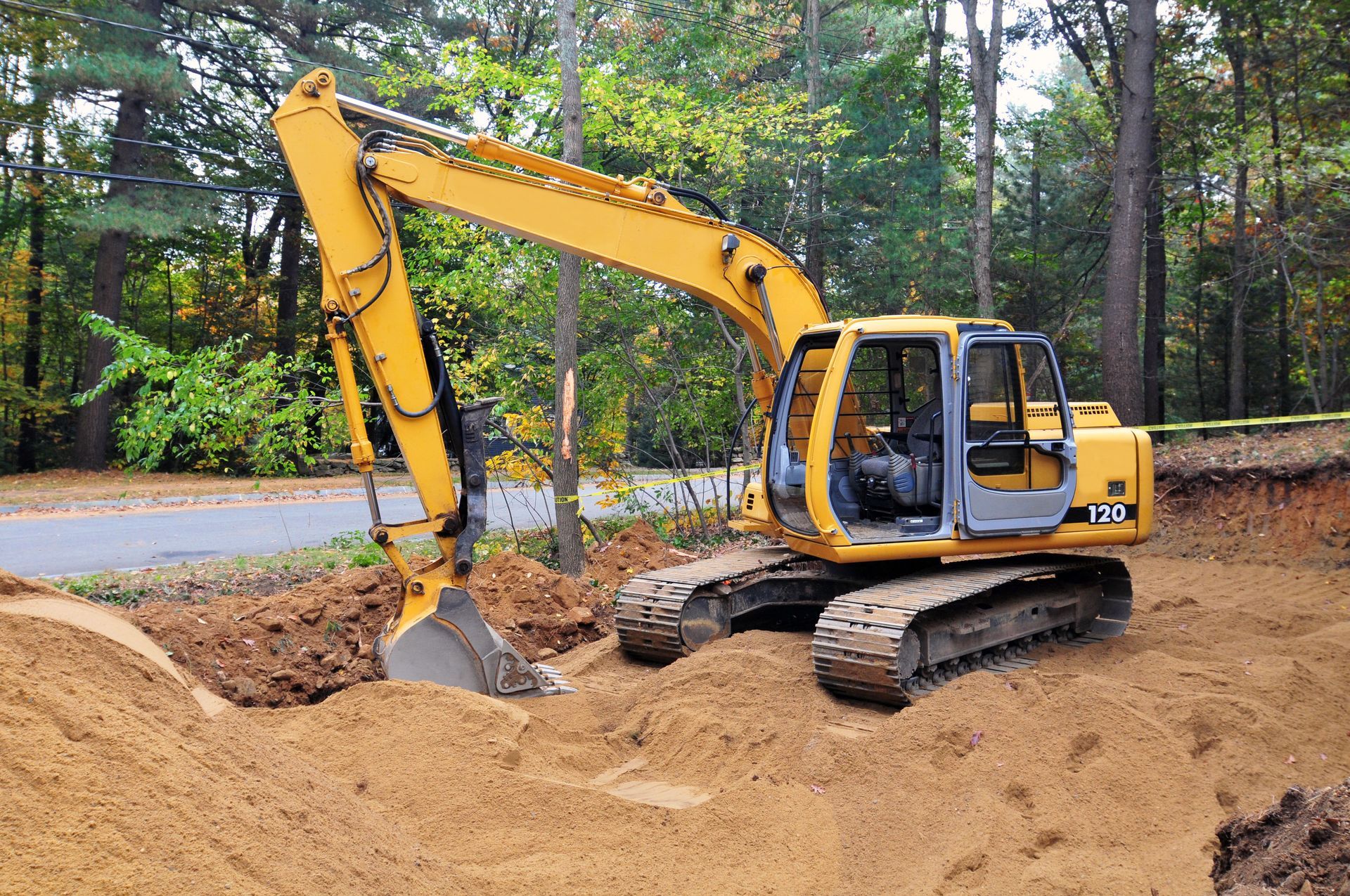
Your project's requirements also influence the selection of tools, machinery, and manpower necessary for effective execution. Excavation contractors who handle large-scale excavation work typically have access to specialized equipment that smaller operations may not. Heavy-duty machinery such as bulldozers, excavators, and backhoes is often required, capable of handling the demands of large sites. Additionally, the scale of project requirements impacts the timeline and budgetary considerations, necessitating careful planning. Recognizing these needs early on bridges the gaps between your vision and the completed project.
Prior research and detailed project outlines prevent a host of potential complications that can arise during the excavation phase. For instance, identifying whether subsurface utilities or obstacles might affect digging plans can save significant time and resources. According to HomeGuide, excavation costs can range from $2.50 to $15.00 per cubic yard or between $1,100 and $5,600 on average, making precise cost estimation a fundamental aspect of planning. A thorough understanding and documentation of project needs helps make sure that no detail is overlooked. This approach also adds an element of predictability to an otherwise complicated process.
Evaluating Site Conditions
Evaluating site conditions is an invaluable step in the preparation and planning phase of any large-scale construction project. Knowledge about the geographical and physical settings of your site will significantly influence the excavation process. Factors like soil type, terrain cohesiveness, and weather patterns all contribute to how excavation should be approached. Understanding these environmental features helps to determine whether specialized excavation techniques, such as shoring or dewatering, are needed. Accurate site evaluations reduce the risk of delays and unforeseen challenges that could inflate budgets and project timelines.
The impact of natural site conditions on excavation cannot be understated. For instance, rocky or uneven terrain may require different machinery than a flat, sandy area. Soil instability can lead to ground collapse, potentially causing safety hazards, project delays, and increased costs. Moreover, legal and regulatory restrictions tied to specific environmental conditions can regulate excavation activities, affecting project execution. Thus, comprehensive site evaluation in conducting preliminary soil testing and environmental assessments plays a crucial role in contractor selection. Choosing excavation contractors familiar with your site's particular challenges supports a smoother building process.
Communicating site-specific information to potential contractors is paramount for effective collaboration and precise job completion. Excavation contractors with experience in certain geographic or geological settings bring valuable perspective and practical solutions to unique site challenges. This depth of understanding reduces risk and improves construction efficiency. An experienced contractor will anticipate obstacles before they materialize, employing best practices tailored specifically for the site's conditions. As such, site evaluations empower both the contractor and the project manager to make informed, strategic decisions to guide the project forward.
Anticipating Potential Challenges
Every large-scale construction project comes with its own set of potential challenges, and anticipating this is key to selecting the right excavation contractor. Identifying possible obstacles at the preliminary stages can buffer against costly and time-consuming setbacks. Challenges such as adverse weather conditions, unexpected soil types, and subsurface utilities often require rapid, adaptive problem-solving skills. As such, a contractor with a track record of handling unforeseen issues demonstrates reliability and competence. Proactively anticipating challenges facilitates smoother workflow dynamics and consistent progress.
A contractor's experience becomes particularly valuable when faced with unpredictable circumstances during excavation. Seasoned excavation contractors can quickly adapt to changing situations by having contingency plans and fallback resources ready. The ability to pivot and employ different methods as challenges arise speaks volumes about a contractor's professionalism and capacity to deliver under pressure. Additionally, understanding the financial implications of potential obstacles can prepare you adequately and prevent budget overruns. Reliable contractors offer transparency and feasible strategies for tackling foreseeable and unexpected challenges when preparation becomes essential for complicated projects.
Site-specific challenges could arise from a variety of contingencies, including legal and environmental regulations. Compliance with local and federal laws, as well as adherence to environmental guidelines, requires close attention from contractors. Professional excavation contractors experienced in complicated projects often work closely with civil engineers and environmental consultants to confirm that all potential challenges are addressed legally and ethically. Furthermore, researching a contractor's history of addressing similar challenges with innovation and precision lends credibility to their capacity for complicated project handling. Foreseeing and compensating for challenges such as these can pave the way for ongoing project success.
Establishing a Timeline
Creating a realistic timeline is a foundational aspect of project planning, crucial for both contractors and clients. Effective timelines serve as guideposts throughout the construction process and set expectations for all involved parties. Excavation contractors specializing in large-scale projects demonstrate the ability to deliver on schedule by planning methodically and accounting for variables such as weather, equipment availability, and labor force schedules. The key is to strike a balance between ambitious yet attainable timelines, considering all influential factors. A well-structured timeline contributes to smoother operations and helps meet project milestones efficiently.
Contractors well-versed in complicated excavation projects often utilize sophisticated project management software to organize and track project phases in real time. From initial site preparation to final site grading, each phase requires careful time allocation to prevent overlap and potential conflicts. Realistic timelines incorporate buffer periods to account for unforeseen delays, reducing pressure on contractors and often translating into better outcomes. By factoring in anticipated challenges, contractors can propose schedules that align closely with client expectations.
The success of a large-scale build depends heavily on the preparation that happens before construction begins. Choosing the right excavation contractors gives your project a stronger starting point by bringing together proper equipment, careful planning, site-specific knowledge, and clear communication. From reviewing qualifications and past work to comparing bids and timelines, each step helps you make a confident decision before work begins. With the right excavation contractors in place, your project can move forward with greater efficiency, fewer preventable setbacks, and a foundation built to support every phase that follows.
Large-scale excavation work calls for more than basic digging and site preparation. It requires careful coordination, dependable equipment, detailed site knowledge, and contractors who can adapt when conditions change. Taking time to compare excavation contractors before signing an agreement can help you avoid delays, unclear costs, and communication issues once the project is underway.
As you review your options, look for excavation contractors who are transparent about pricing, realistic about scheduling, and prepared to explain how they will approach your specific site. A strong contractor should be able to discuss potential challenges, safety practices, equipment needs, and project phases in a way that gives you clarity before work begins. With the right planning and the right excavation partner, your project can begin on stable ground and move forward with fewer avoidable setbacks. Contact Jerry Hepp Excavating Inc today to learn more.